
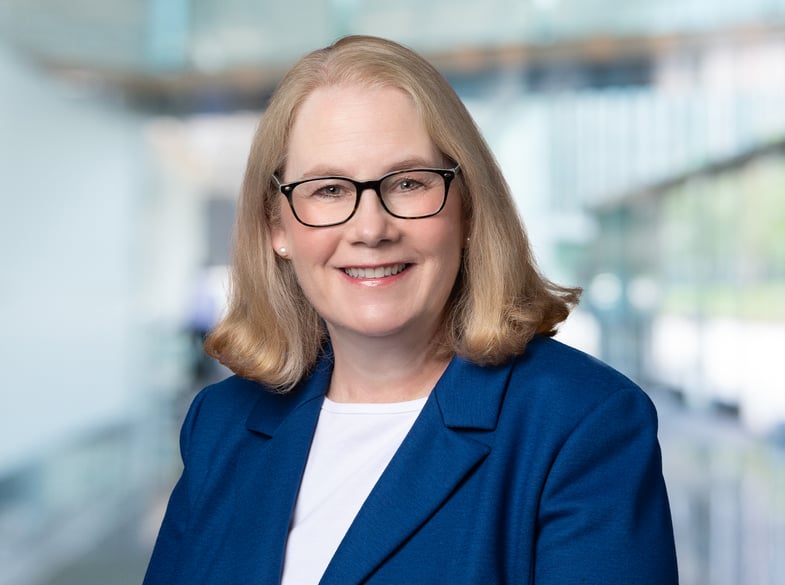
Lisa Von Eschen counsels and defends businesses and non-profit organizations in state and federal employment law matters. She advises management on day-to-day compliance issues, including leaves of absence, accommodations, exempt classifications, discipline, terminations and reductions in force.
Lisa also handles executive employment contracts, commission and bonus plans, restrictive covenants, trade secret and confidentiality issues, and severance agreements. She regularly drafts and audits personnel policies and handbooks, leads internal investigations, and conducts preventive training sessions on harassment and other employment topics.
When litigation is necessary, Lisa brings more than 30 years of experience to her clients in handling individual discrimination, retaliation and wrongful termination claims, as well as systemic and class action cases before administrative bodies and courts. Formerly a partner at an Am Law 100 and litigation boutique firms, Lisa has conducted successful trials in both the California federal and state courts, and argued (and won) cases before the California and Ninth Circuit Courts of Appeal.
Publications
The Laboring Oar®
Yule Want to Fa-la-la-low Our 2026 California Employment Law Updates
December 15, 2025
The Laboring Oar®
Updated Workers’ Compensation Notice Requirements Effective January 1, 2025
January 1, 2025
California employers must ensure compliance with the updated workers’ compensation notice requirements under AB 1870, which amends Labor Code Section 3550. Employers are already required to post a workers’ compensation notice in a conspicuous location accessible to employees during work hours. This notice must be provided in both English and Spanish when there are Spanish-speaking employees and must include key information such as the name of the workers’ compensation insurance carrier or, if applicable, the employer's self-insured status and claims adjuster details. Existing notice requirements include: How to get emergency medical treatment, if needed. The kinds of events, injuries, and illnesses covered by workers’ compensation. The injured employee’s right to receive medical care. The rights of an employee to select and change treating physicians. The rights of the employee to receive temporary disability and other benefits. To whom injuries should be reported. The existence of time limits for the employer to be notified of an occupational injury. The protections against discrimination provided pursuant to Labor Code Section 132a. The internet website address and contact information to obtain further information about the workers’ compensation claims process and an injured employee’s rights and obligations. What’s New Under AB 1870? Effective January 1, 2025, the workers’ compensation notice must also include: Information concerning an injured employee’s ability to consult a licensed attorney to advise them of their rights under workers’ compensations laws. Information that in some instances attorneys’ fees may be paid from an injured employee’s recovery. Failure to display the updated notice is a serious issue. Not only can it result in misdemeanor charges and serve as prima facie evidence of noninsurance, but it also may allow employees to seek treatment from their personal physician for injuries occurring during the period of noncompliance. Employers must update their notices by January 1, 2025, and ensure they are properly displayed in compliance with these new requirements.
News
Press Release
Four Greenberg Glusker Employment Partners Selected to 2027 Lawdragon 500 Leading Corporate Employment Lawyers
October 2, 2026 – Lawdragon

Press Release
Darryl Cluster and Lisa Von Eschen Named to Los Angeles Business Journal's "Leaders of Influence: Nonprofit and Philanthropy" List
September 21, 2026 – Los Angeles Business Journal
Events
Networking
Counselwell | LA Mixer: International Women’s Day Edition
March 12, 20266:30 PM – 9:30 PM PT
Laurie H. Selkowitz, Lisa Von Eschen, and Sherry E. Jackman
Community
Written in the Stars | Century Villages at Cabrillo
September 4, 20255:30 PM – 8:00 PM PT
Hotel Maya
Lisa Von Eschen, Craig S. Coan, and Emily Avazian
